

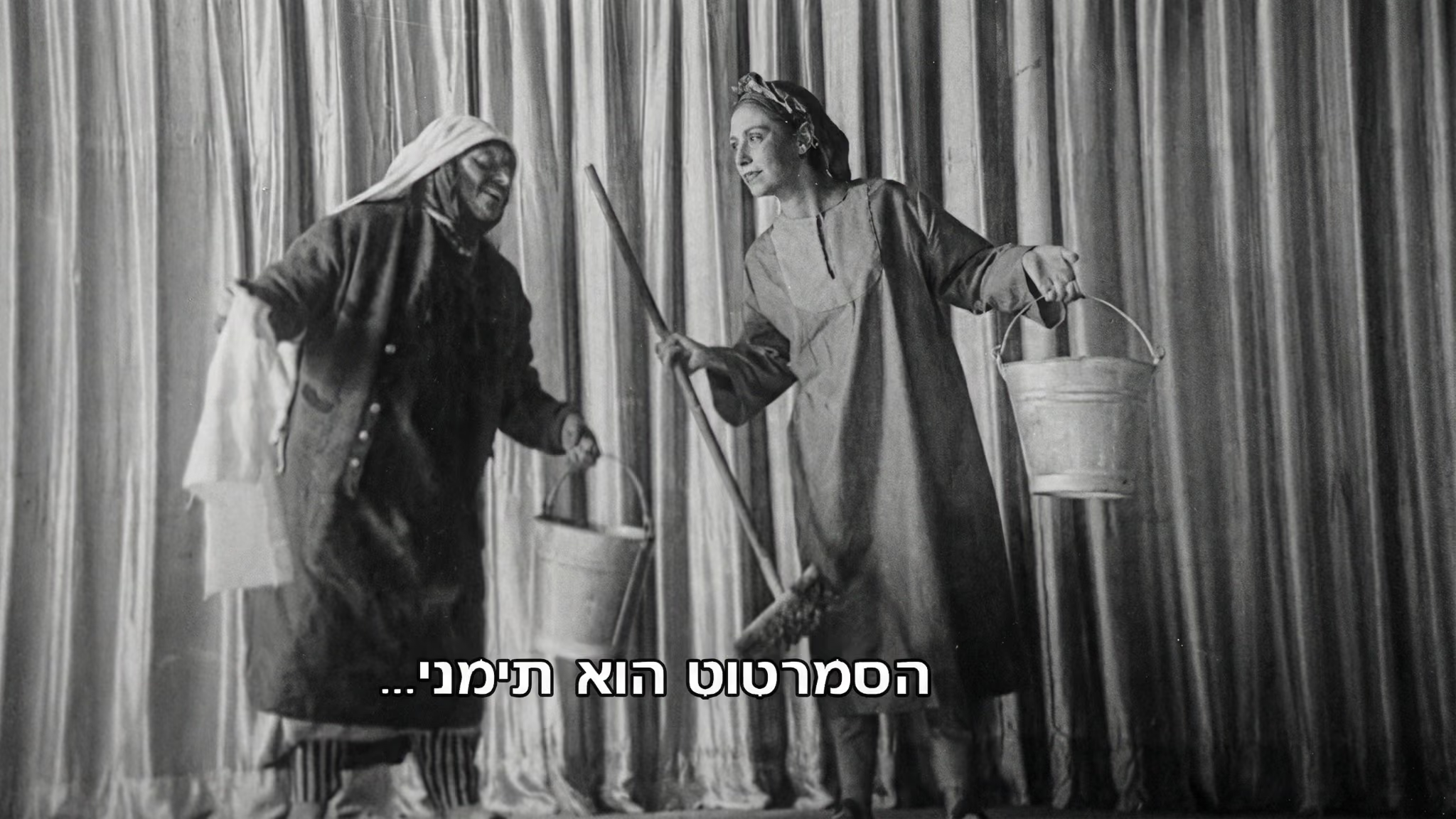

The Little Tea Left in the Kettle
The story of the early pioneers of Israeli entertainment featuring comedic treasures translated from Yiddish alongside the Yemenite archetype in satirical theaters like HaKoomkoom, HaMatate, and Li-La-Lo.
Hebrew
0:48:12
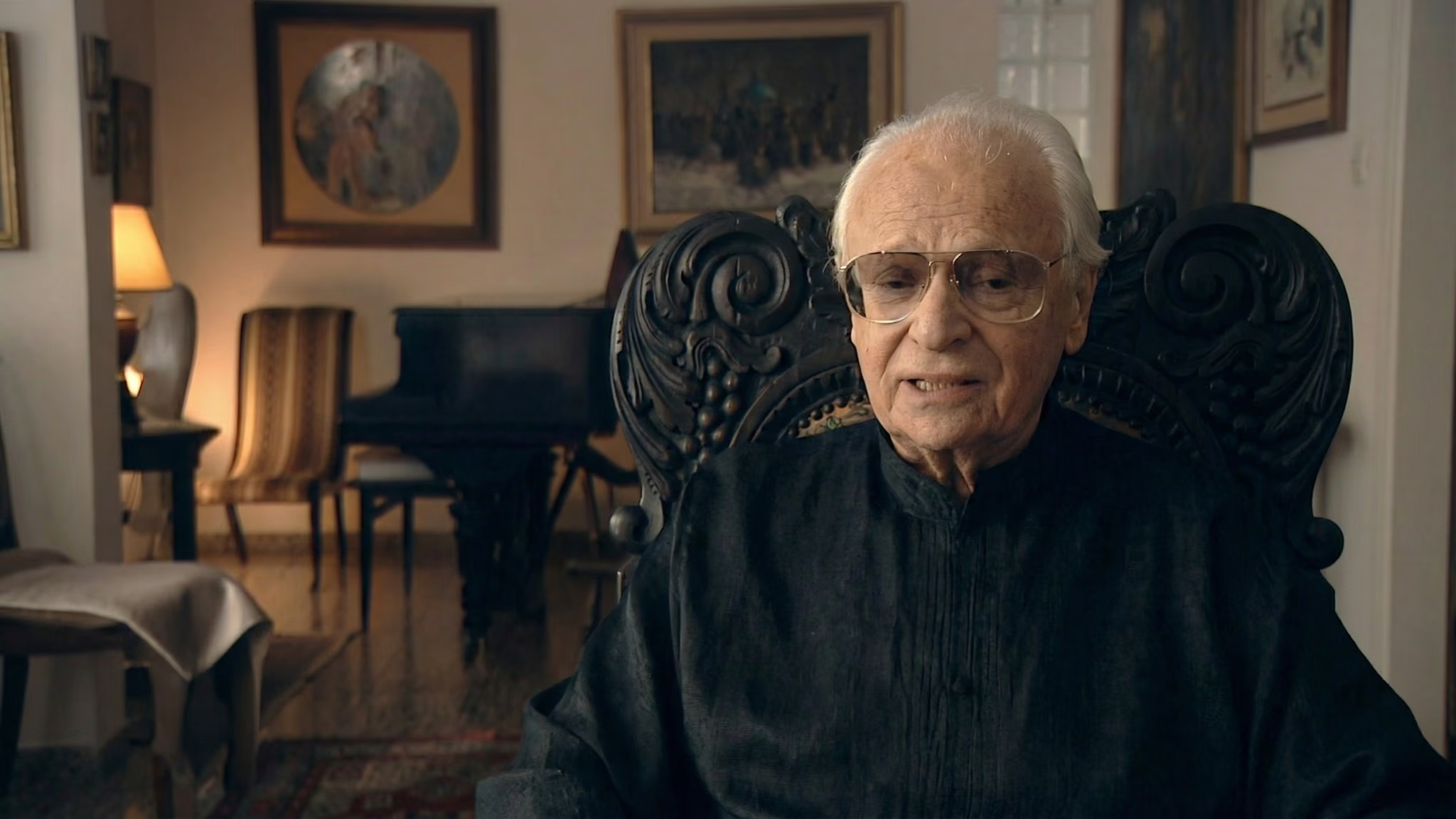
Franz and Musia
The two central creators of entertainment in the 1950s and 60s: Ephraim Kishon and Dan Ben-Amotz. Israel gave them new names, and they in turn invented "Israeliness".
Hebrew
0:57:34

It Sounds Better in Yiddish
Comedians Shimon Dzigan and Israel Shumacher continue their Yiddish careers in 1950s Israel. Despite their massive popularity, the cultural establishment remained hostile to their language.
Hebrew
0:56:54

The Club Scene
The flourishing of satirical clubs in the late 50s and early 60s, introducing satire against state institutions and a style mixing Palmach culture with Parisian influences.
Hebrew
0:54:12

Cantata La Shawarma
The "Hagashash Hachiver" phenomenon, their unique language, and its immense impact on culture, focusing on writers/directors Shaike Ophir, Nissim Aloni, and Yossi Banai.
Hebrew
1:01:09

Dizengoff Command Band
Post-Six-Day War euphoria reflected in military bands, while the "Lool" group of Uri Zohar and Arik Einstein offered a television alternative.
Hebrew
0:38:41

You, Me and the Previous War
Political satire, once met with anger, becomes prime-time consensus after the Yom Kippur trauma with "Nikui Rosh."
Hebrew
1:04:21

Rhapsody for Bourekas
The big bang of popular Israeli cinematic comedies in the 70s and 80s, presenting a reality full of stereotypes.
Hebrew
0:52:14

Sex, Lies, War and Money
Against the backdrop of the Lebanon War and economic crisis, entertainers take political sides. "Zeh-u-Zeh" and "Krovim Krovim" are born.
Hebrew
1:05:55

Tales of Us All in the Big City
"Zeh-u-Zeh" becomes the national focal point during the Gulf War, Channel 2 begins experimental broadcasts, and stand-up is born in Tel Aviv clubs.
Hebrew
0:51:59

Not Yet Ripe and Already Rotten
Commercial Channel 2 rises, and stand-up performers become stars. "The Five Chambers" and "The Comedy Store" represent two contrasting approaches to humor.
Hebrew
1:00:54